 SilencerScout
5.56 Test Hosts
The 5.56 test suite comprises three AR-15 patterned uppers with varying barrel lengths, gas system lengths, and gas port sizes. All three are tested on the same "mil spec" lower with a standard carbine weight spring and buffer (Spring Co. Standard Power White, and 2.9oz buffer).
Upper Configurations:
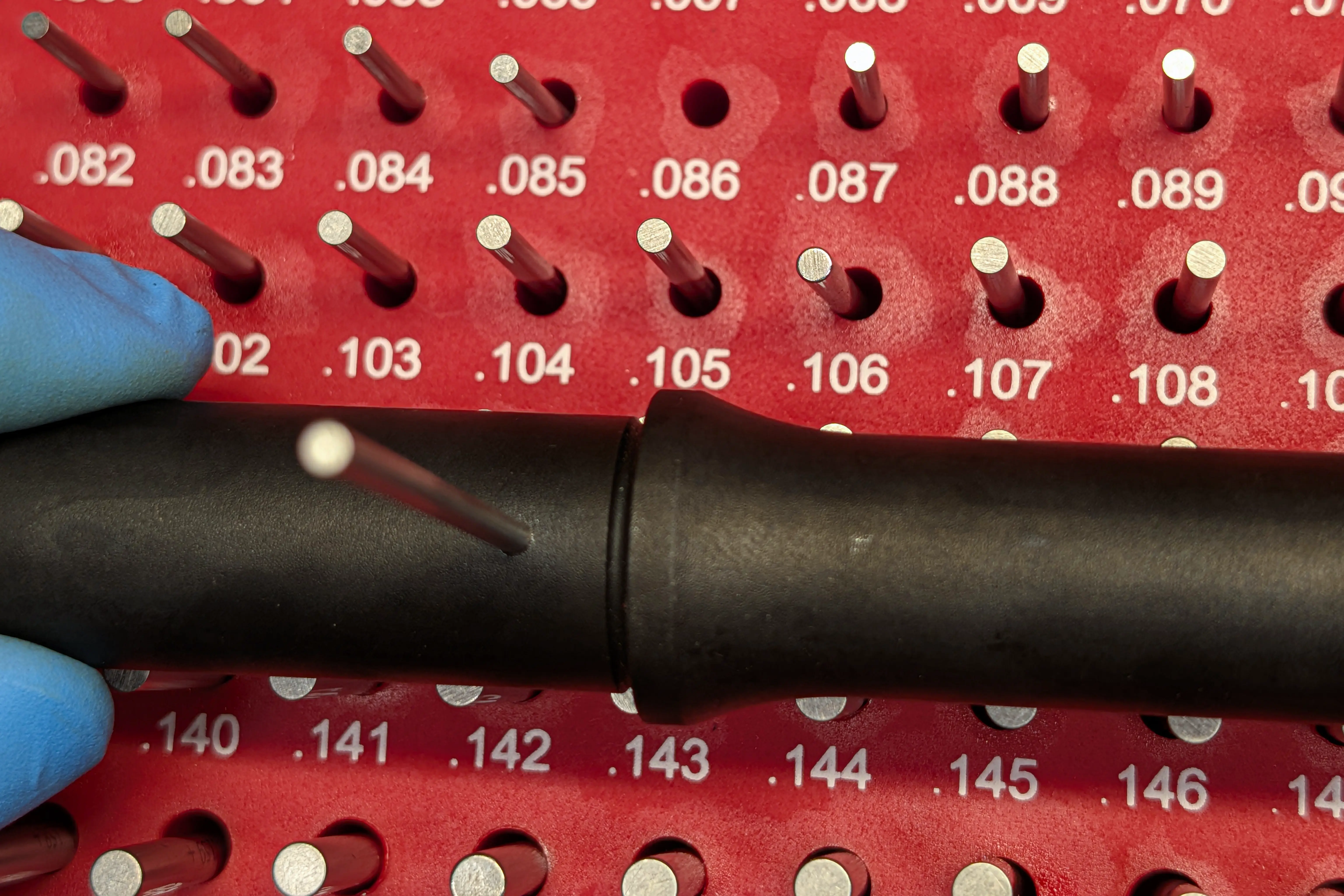
10.5" barrel -- carbine length gas system -- gas port size = 0.078"
14.5" barrel -- mid length gas system -- gas port size = 0.086"
18" barrel -- rifle length gas system -- gas port size = 0.092"
7.62 (.30 Cal) Test Hosts
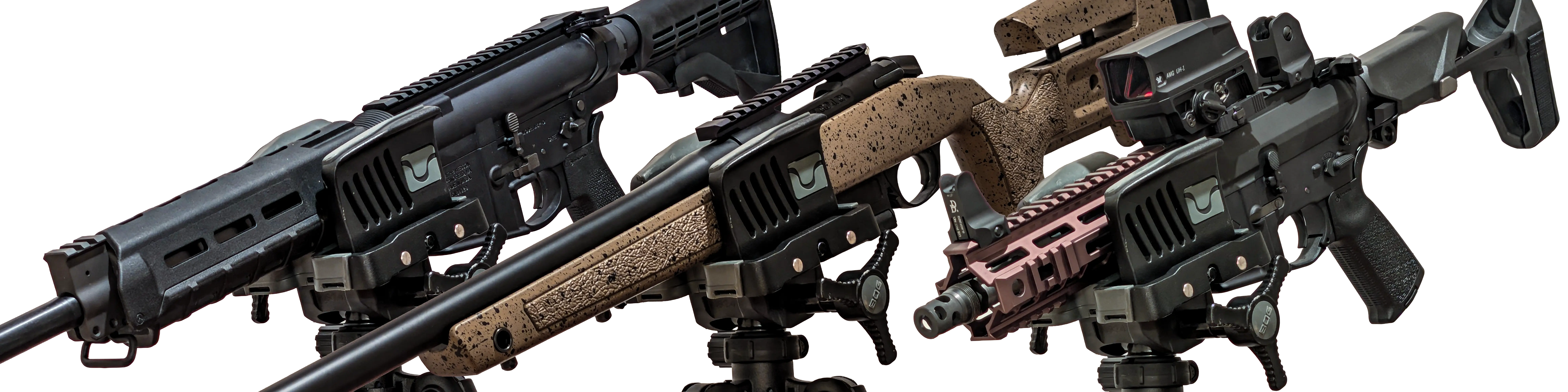
7.62 (.30 cal) suppressors are tested along 4 unique platforms.
The primary test platform for the 7.62 suite is done on a Smith and Wesson M&P 10 Sport chambered in 308 Win. This system features a 16" mid gas barrel with standard power buffer springs and weights. The ammunition used is Lake City M80 Ball (147gr)
Supplementary tests are done on a bolt action Bergrara HRM featuring a 20" barrel chambered in 308 Win. The same Lake City M80 Ball (147gr) is used for this test.
The 14.5" AR-15 with the mid gas, 0.086" gas port and carbine spring/buffer is recycled from the 5.56 test suite. The same Lake City M193 (55gr) ammo is used.
We perform a second AR-15 test, this time on a 7.5" barrel chambered in 300blk. This system uses a Faxon gunner profile barrel with a 1:8 twist, pistol length gas system and the same carbine spec spring and buffer used in the AR-15 tests.
More from Testing and Technical
- Sound Testing ProtocolHow we capture suppressor sound data: the instrumentation chain, the MIL-STD-1474E microphone arrangement, the environmental controls we hold, our shot protocol, and the four metrics we compute from every string.
- Controlling Environmental Sound Pollution When TestingHow we keep ambient noise and reflected sound out of a suppressor measurement: open-field siting, an ambient-noise floor, and a reflection-free rig.
- Testing in Variable WeatherHow temperature, humidity, and wind affect suppressor sound testing at one meter, and which ones we control for.